 daili
daili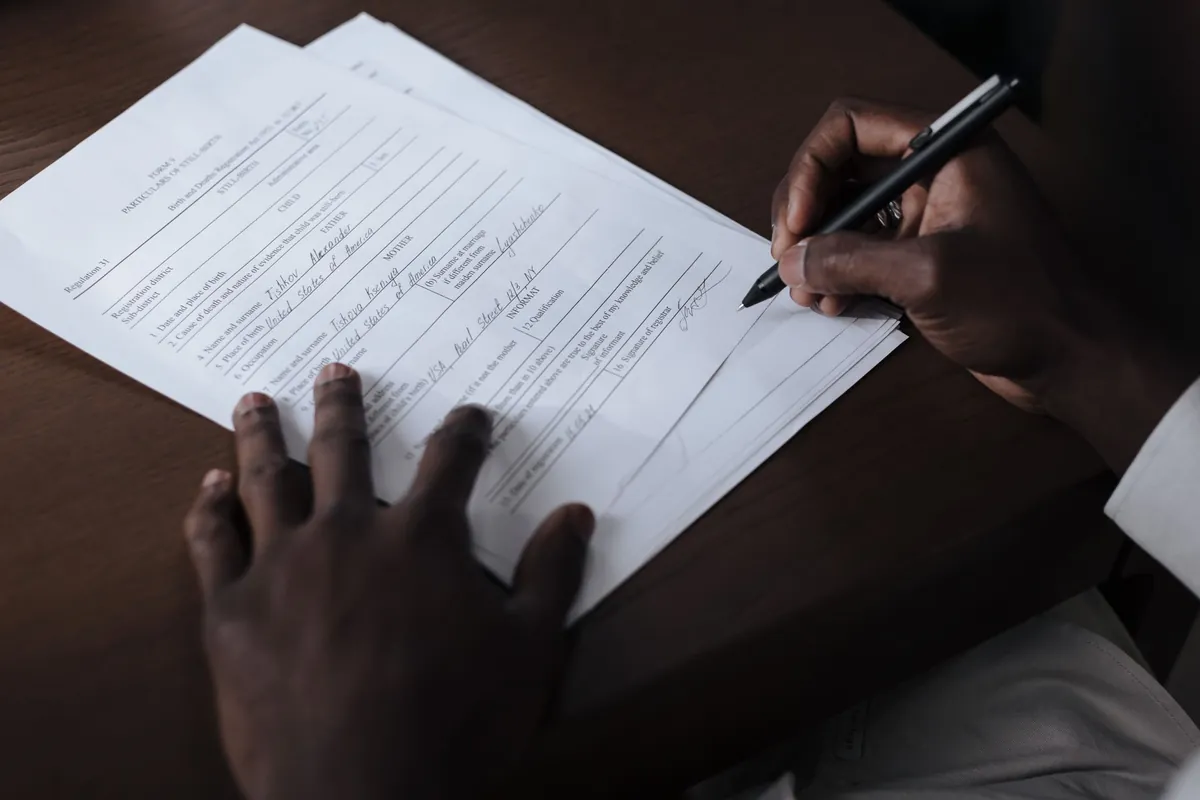
Medical Consent for Grandparents Babysitting: What You Actually Need
Search this and you get two kinds of result: forum threads where parents ask each other, and form-mill sites selling a PDF. Neither tells you the thing you want to know, which is whether you actually need one and what it does.
Here is the honest version.
This is general information, not legal advice. What a consent letter achieves depends on the country you are in, and often on the individual hospital's own policy. If your situation is complicated — shared custody, a child with an ongoing condition, travel abroad — ask someone qualified in your country.
What happens without one, and what does not
Start with the reassuring part, because most articles skip it.
Emergency treatment does not wait for paperwork. Across Europe and North America, if a child needs urgent treatment, medical staff treat them. Nobody stands over an injured child refusing care because a grandmother does not have a signed letter. That is not how emergency medicine works anywhere.
So a consent letter is not what stands between your child and help.
What it actually does is smooth the non-emergency middle ground: the appointment that is not urgent, the treatment that can wait an hour, the question of who may be given information, the pharmacy, the walk-in clinic. And it removes a conversation at a reception desk at the exact moment nobody wants one.
That is a real benefit. It is just a smaller and more practical one than "your child will be refused treatment", which is what the form-mill sites imply.
What a consent letter should contain
Keep it to one page. A letter nobody can read quickly is not doing its job.
- The child's full name and date of birth
- Your full name, and confirmation that you hold parental responsibility
- The carer's full name, and their relationship to the child
- The dates the arrangement covers — a specific window, not "ongoing"
- A clear sentence authorising the carer to seek and consent to medical treatment for the child during that period
- Any known allergies, conditions and current medication, or a note saying where that information is
- Your phone number and a second contact
- The GP's name and practice
- Your signature and the date
Two things people leave out that matter. Say whether the carer may consent to routine treatment as well as emergency treatment — those are different questions. And put an end date on it, because an open-ended authorisation is both less useful and harder for anyone to rely on.
Country differences worth knowing about
This is where most articles overreach, so here is what can honestly be said.
The framework differs by country: who holds parental responsibility, whether a written authorisation has any formal legal status, and whether anything needs witnessing or notarising. In some jurisdictions a private letter is simply evidence of your wishes rather than a legal instrument.
The practical reality is more consistent: hospitals and clinics work from their own policies, and a clear signed letter with contact numbers on it makes those policies easier to apply.
We are not going to tell you what is binding in Austria, Germany, the UK or the US, because we have not verified it and this is a topic where a confident wrong answer causes real harm. If it matters to your situation, your GP's practice can usually tell you in two minutes what they would want to see — and their answer is more useful than any article, because they are the ones who will be looking at it.
Notarised or not?
For an ordinary weekend with grandparents, almost never.
Notarisation is worth considering for longer arrangements — a child staying with relatives for weeks, a carer travelling abroad with a child, or where custody is contested. For a Saturday night, a signed and dated letter is the normal thing.
If you are travelling internationally without one parent, that is a separate and better-documented issue: some border authorities expect a letter of consent for travel, which is not the same document as a medical consent letter. Check the requirements for the specific countries involved.
Where to keep it so it is actually there
A consent letter in a drawer at home is a consent letter that does not exist.
Three copies, three places:
- With the carer, printed, from the moment they take over.
- On your phone, so you can send it to a hospital, a clinic or the carer again within seconds.
- On the carer's phone, photographed, because printed paper gets left in a coat.
That is the whole system. The letter takes ten minutes to write once and then you change the dates and the signature each time.
The template
Adapt freely — the wording below is a starting point, not a legal form.
I, [your full name], am the parent/guardian of [child's full name], born [date of birth].
From [start date] to [end date], [carer's full name], [relationship], is caring for my child in my absence.
I authorise [carer's name] to seek and consent to medical, dental and emergency treatment for my child during this period, and to be given information about my child's care.
Known allergies and conditions: […]
Current medication and doses: […]
GP: [name, practice, phone]I can be reached on [phone]. Second contact: [name, phone].
Signed [signature] · Date [date]
Renewing it once a year
Put it with the annual document check — the same twenty minutes where you replace expired passports and update insurance cards.
Three things change: the dates, the medication, and sometimes the carer. All three matter more than the wording.
Frequently asked questions
Is a consent letter legally binding?
That depends on the country, and often it is better described as evidence of your wishes than as a binding instrument. Its practical value — making a clinic's own policy easy to apply and removing a delay at the desk — does not depend on that distinction.
Do grandparents need one for a single evening?
No. For a few hours nearby, contact numbers, allergies and medication are enough. The letter is for overnight stays and weekends, where a decision might have to be made without you on the phone.
Does a hospital have to honour it?
Not automatically. Hospitals apply their own policies and their own clinical judgement, and in an emergency they treat regardless. The letter makes the non-urgent situations easier, which is most of them.